Today in Hip Hop: November 14
One date gave us a retirement album that never retired anybody, a number one that rewrote the record books, and a West Coast classic that traded jokes for honesty.

Jay-Z Releases The Black Album
Jay-Z released his eighth studio album, The Black Album, on November 14, 2003, presenting it at the time as his retirement record. It debuted at number one on the Billboard 200 and carried singles that never really left rotation, including Change Clothes and Dirt Off Your Shoulder. The production bench was stacked, with work from Kanye West, Just Blaze, The Neptunes and Rick Rubin, and the whole project was framed as a farewell tour pressed onto a disc.
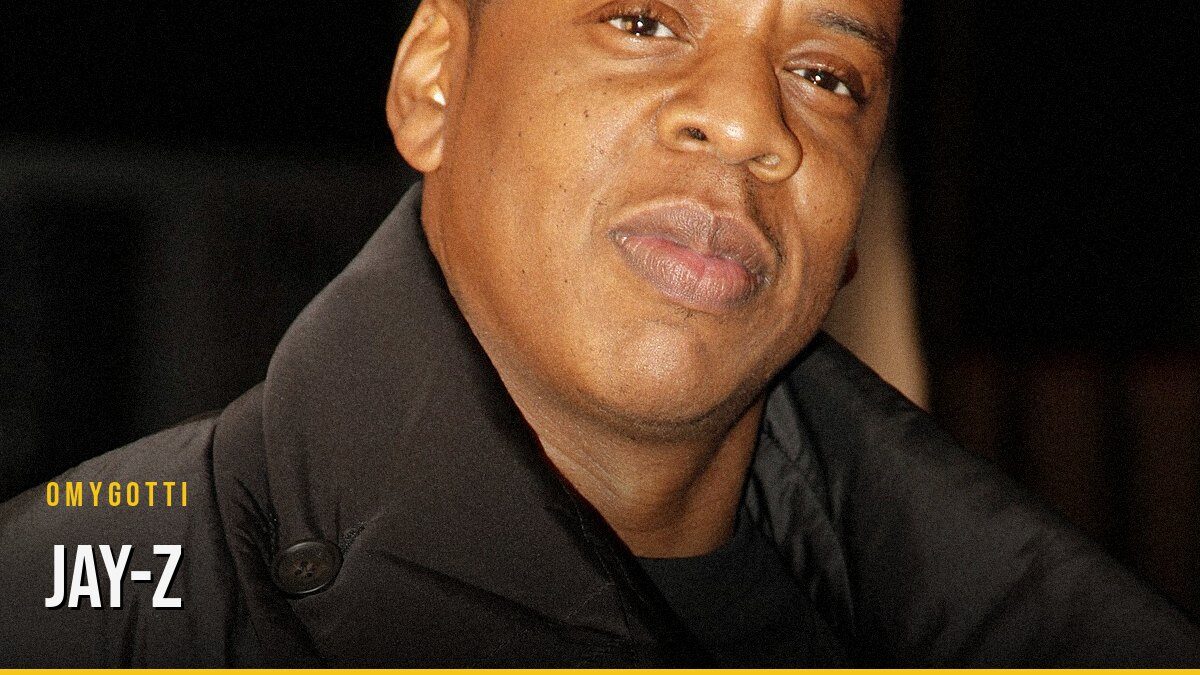
The retirement, of course, did not stick, and Jay-Z was back with Kingdom Come three years later. What stuck was the album itself, later certified triple Platinum by the RIAA in 2023, and a template every veteran since has borrowed: announce the ending, make the record feel like a legacy statement, and let the music argue that you still have more to say.
Lauryn Hill Tops the Hot 100 Solo
On November 14, 1998, Doo Wop (That Thing) reached number one on the Billboard Hot 100, and the chart books had to make room for a first. Lauryn Hill became the first female rap solo artist to top the Hot 100 without a guest artist riding along, a barrier that had survived the entire first two decades of recorded rap. The single came off The Miseducation of Lauryn Hill, the album that had already turned her from Fugee into a genre unto herself.
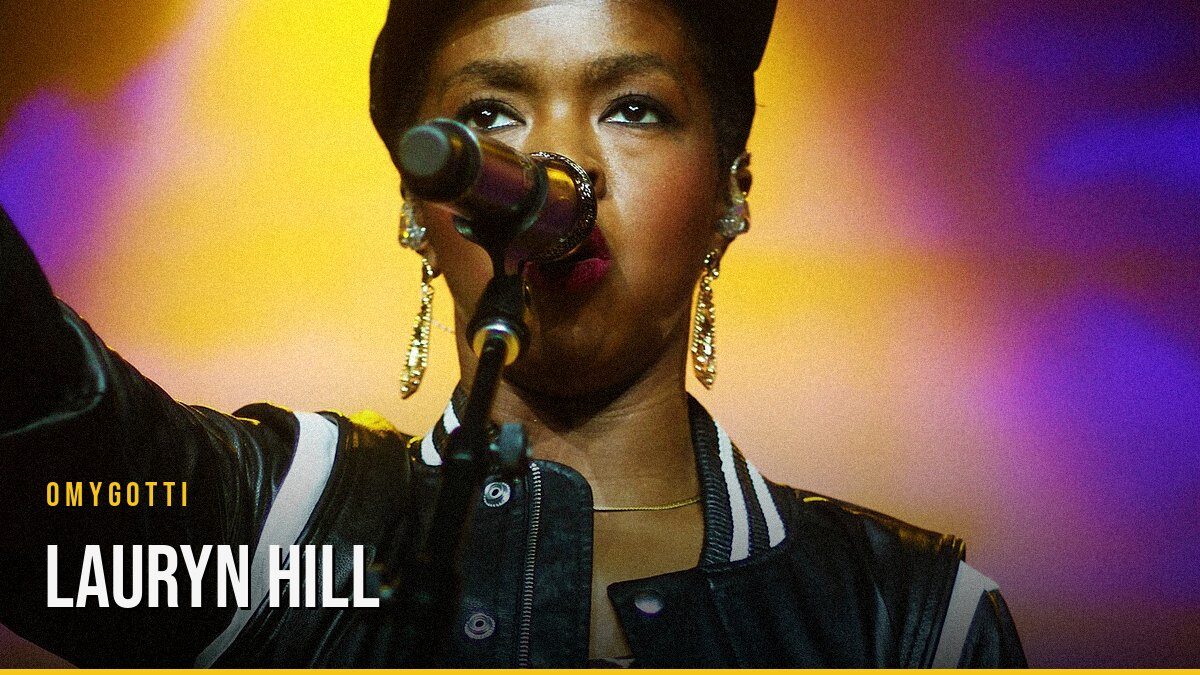
The record matters because of how it won. It was a rap song and a sung song at once, a warning to both men and women in its verses, built on a doo wop sample and delivered by one voice doing every job. Hill did not borrow credibility from a featured guest. She simply out-rapped and out-sang the whole chart in the same three minutes.
G-Unit Drops Beg for Mercy
The same day Jay-Z was saying goodbye, the loudest new crew in rap was saying hello. G-Unit released its debut studio album, Beg for Mercy, on November 14, 2003, and it peaked at number two on the Billboard 200, held off the top only by the Jay-Z record that shared its release date. The group, built around 50 Cent with Lloyd Banks, Young Buck and Tony Yayo, arrived at the peak of the G-Unit run, when 50 had already turned Get Rich or Die Tryin into the year defining rap album.
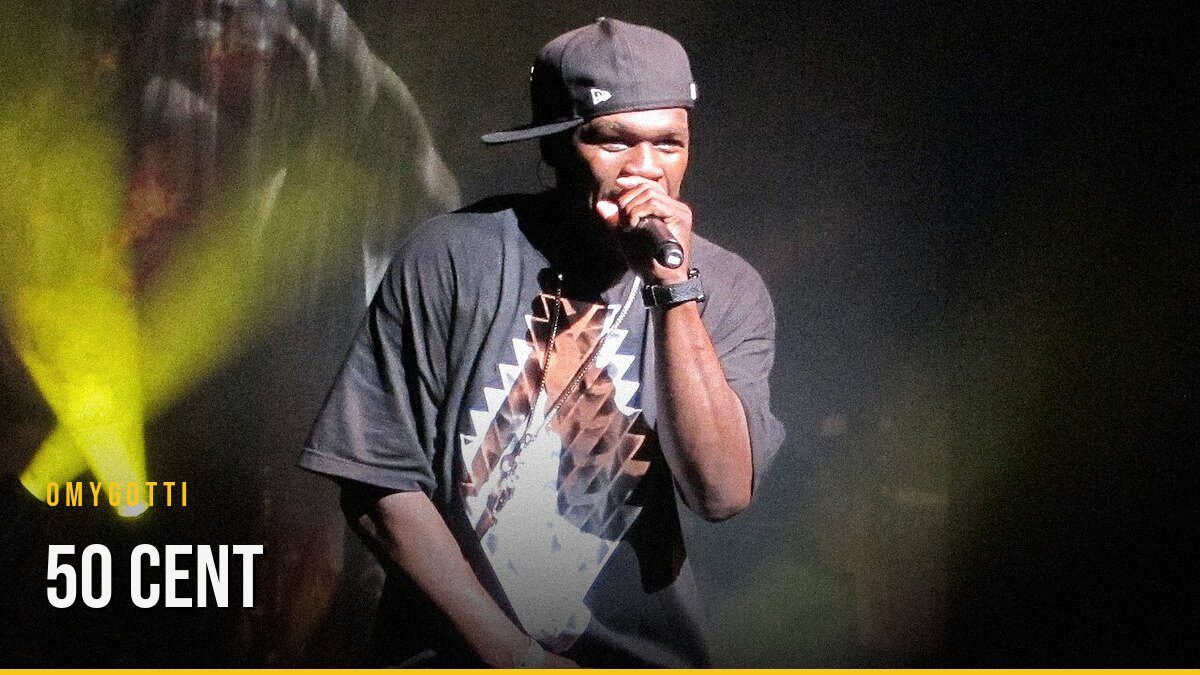
Beg for Mercy is a snapshot of a crew moving like a label, a clothing brand and a street team at the same time. Singles like Stunt 101 turned the group chemistry into the product itself, three voices trading boasts over beats built for car speakers. Within a few years the internal fractures would become the story, but on this date in 2003 the Unit looked untouchable.
The Pharcyde Release Labcabincalifornia
The Pharcyde released their second studio album, Labcabincalifornia, on November 14, 1995. Where the group debut, Bizarre Ride II the Pharcyde, had been all color and comedy, the follow-up turned inward, dealing with fame, strained relationships and the cost of the road over smoother, more somber production. It reached number 17 on the Billboard Top R&B Albums chart and carried Runnin, Drop and She Said, three records that kept the group on rap radio long after the album cycle ended.
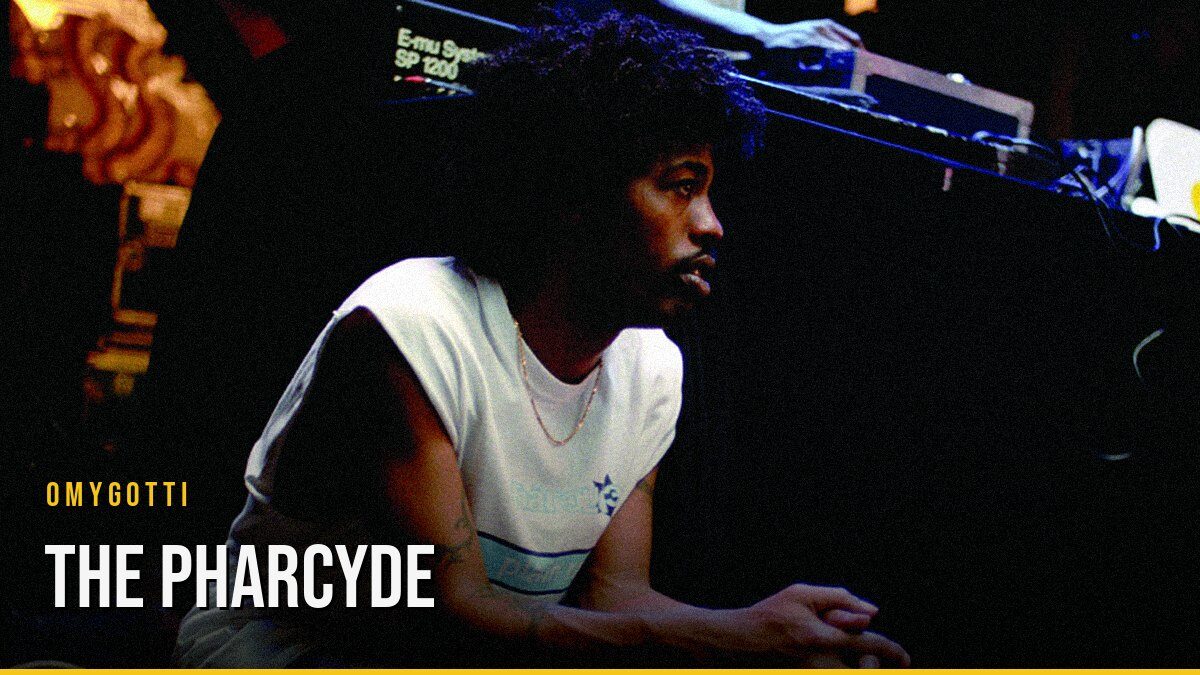
Time has been generous to this record. Runnin became one of the defining singles of the decade alternative rap movement, and the album habit of choosing honesty over punchlines reads now like an early draft of where thoughtful rap would go. It did not match the debut commercial run, and the group never fully recovered its first lineup magic, but Labcabincalifornia is the Pharcyde record that fans defend like family.
Rev Run Is Born in Queens
Joseph Ward Simmons, known to the world as Rev Run, was born on November 14, 1964 in Queens, New York. As one third of Run-DMC beside Darryl McDaniels and Jason Mizell, he helped drag rap from the park jam into the arena, onto MTV and across the aisle to rock audiences with the Aerosmith collaboration that rebuilt Walk This Way. Rolling Stone placed Run-DMC at number 48 on its 2004 list of the 100 greatest artists of all time, a ranking that still understates how much of modern rap presentation starts with this group.
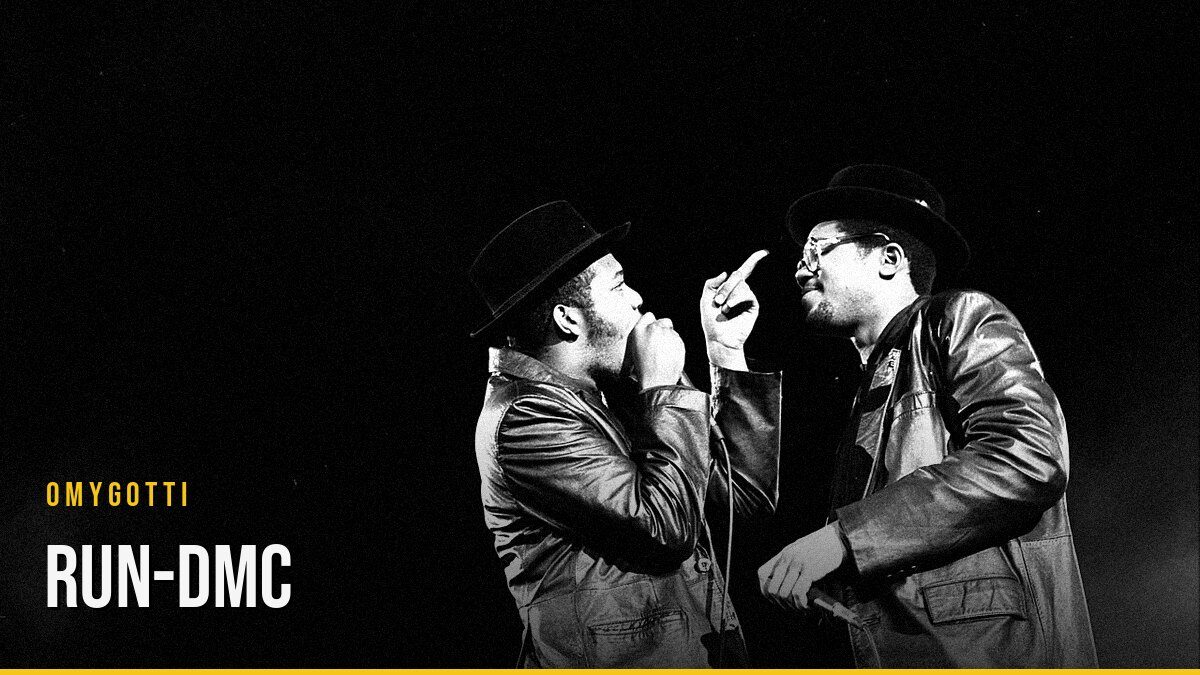
Simmons later became an ordained minister, released his solo album Distortion in 2005, and reached a second audience through reality television, all without ever really leaving his founding role. Birthdays in this column usually mark a starting point. His marks the start of the new school itself, the moment rap learned to dress down, speak plainly and fill stadiums anyway.
Prodigy Steps Out With H.N.I.C.
Prodigy of Mobb Deep released his debut solo album, H.N.I.C., on November 14, 2000, and it peaked at number two on the Billboard Independent Albums chart. Mobb Deep had already secured their legacy with The Infamous and Hell on Earth, so the solo record was a chance for Prodigy to stretch his voice across a full project on his own terms, with production help from his longtime collaborator Havoc and others in the Queensbridge orbit.
The album holds up as a document of Prodigy clipped, menacing delivery at its most distilled. He was never the loudest voice in a room, and H.N.I.C. leans into that, threats delivered at conversation volume over cold loops. It remains the starting point for any serious conversation about his solo catalog.
References
Keep Reading

Enjoyed this? Get the Daily Drop
More trending culture, hip hop history, and new music. Straight to your inbox.
More Where That Came From
Daily hip hop history, trending culture, and new music.
Stream My Music All Trending