Today in Hip Hop: November 5
November 5 is one of the heaviest dates on the calendar, from a posthumous classic in 1996 to a Toronto compilation that proved this city had its own canon.

Makaveli Drops The 7 Day Theory
Death Row and Interscope released The Don Killuminati: The 7 Day Theory on November 5, 1996, credited to Makaveli, the new name Tupac Shakur had taken for himself. It was his fifth studio album and the first to arrive after his death that September, moved up from a planned release the following March. Nothing about the rollout felt normal, because nothing about that autumn was.
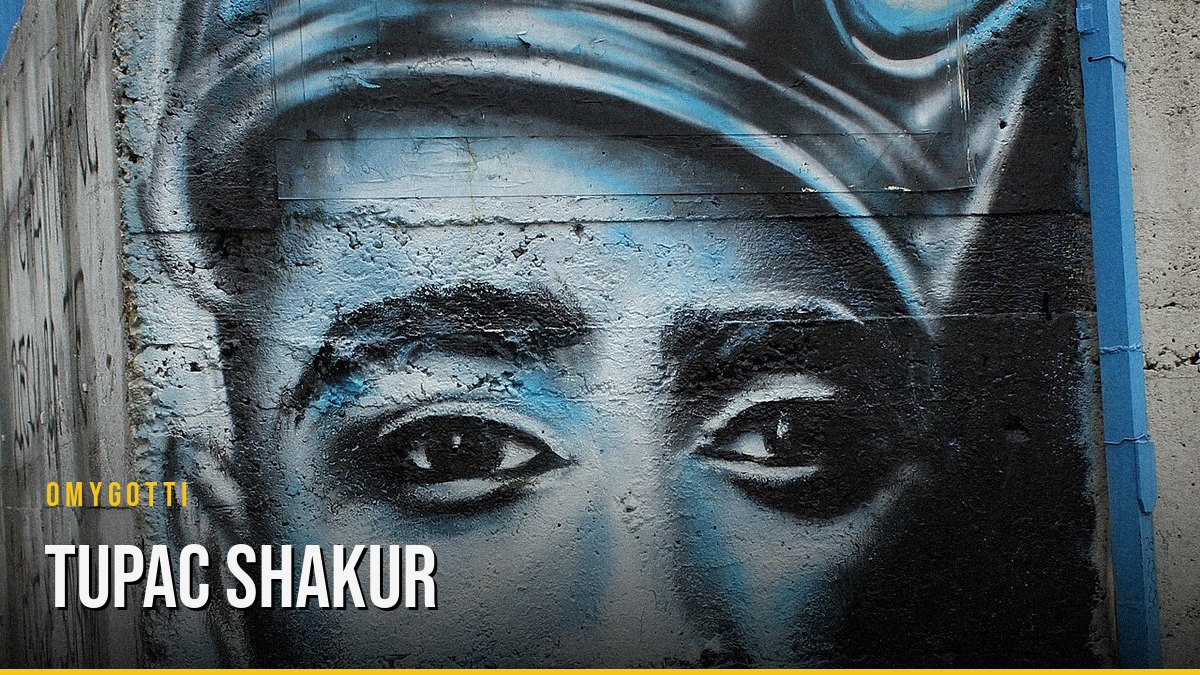
The album was built in a short, intense burst of recording in August 1996 and it sounds like it, urgent and dark from the first track. It opened at number one on the Billboard 200 with 664,000 copies sold in its first week, the second biggest opening of that year, and it was certified four times platinum by 1999. Thirty years on, it remains the record people argue about when they argue about his peak.
Toronto Drops Rap Essentials Volume One
The same day, on the other side of the border, Toronto label Beat Factory released Rap Essentials Volume One, a compilation that pulled the city leading voices onto one record. Kardinal Offishall, Choclair, Ghetto Concept and Rascalz all appeared, artists who were already carrying Canadian rap on stages and radio that rarely looked north.
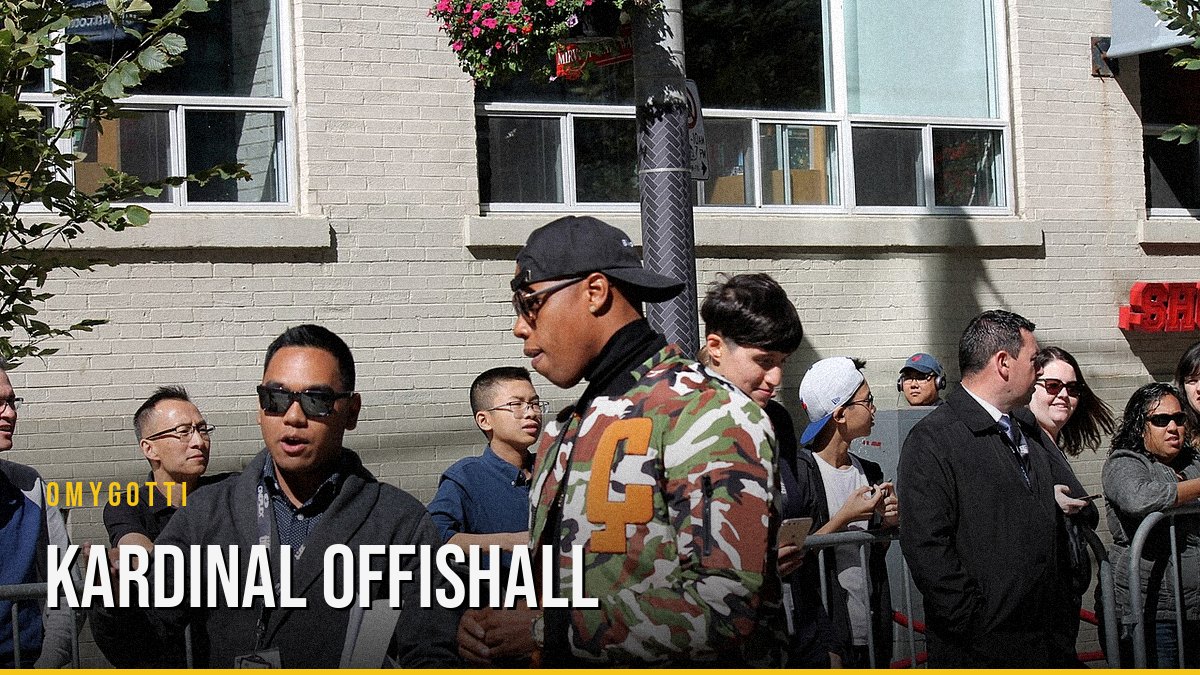
The compilation is also credited with launching the career of Scarborough lyricist Dan-e-o, whose single Dear Hip Hop introduced him as one of the country sharpest writers. In 1996 there was no streaming math to prove a Toronto scene existed. A record like this was the proof, pressed and shipped.
LL Cool J Collects All World
November 5, 1996 was busy enough that LL Cool J also released All World: The Greatest Hits that day, a 16 track compilation gathering the biggest records of his first decade. The collection peaked at number 29 on the Billboard 200, modest numbers for a man who had helped invent the rap superstar template.
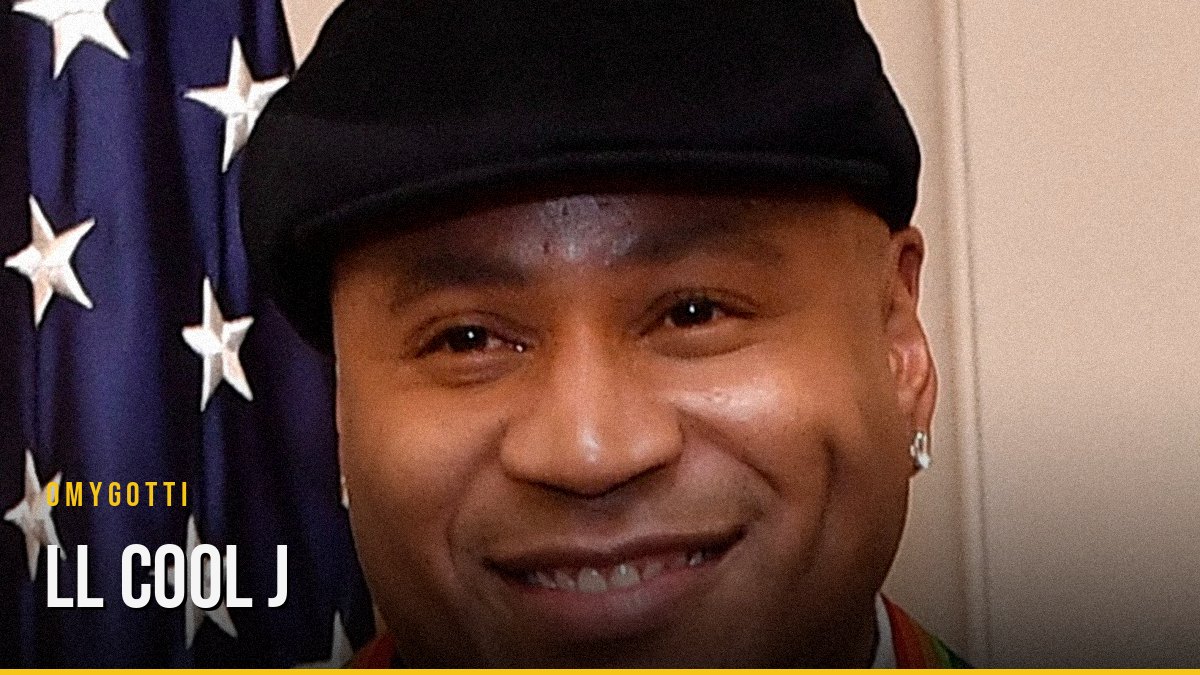
Context is what makes the release interesting. On the same date that a posthumous Makaveli album and a Toronto compilation pointed at where rap was going, LL was summing up where it had been, from the Def Jam foundation years to arena status. Few artists from that first commercial wave were still standing tall enough to need a greatest hits set in 1996. He was.
Eminem Returns To Marshall Mathers
Eminem released The Marshall Mathers LP 2 on November 5, 2013, his eighth studio album, and it went straight to the top of the Billboard 200. Naming a record after the album that made you a phenomenon is a dangerous move at any age. At 41, with his legacy already settled, it read less like nostalgia and more like a challenge issued to his younger self.
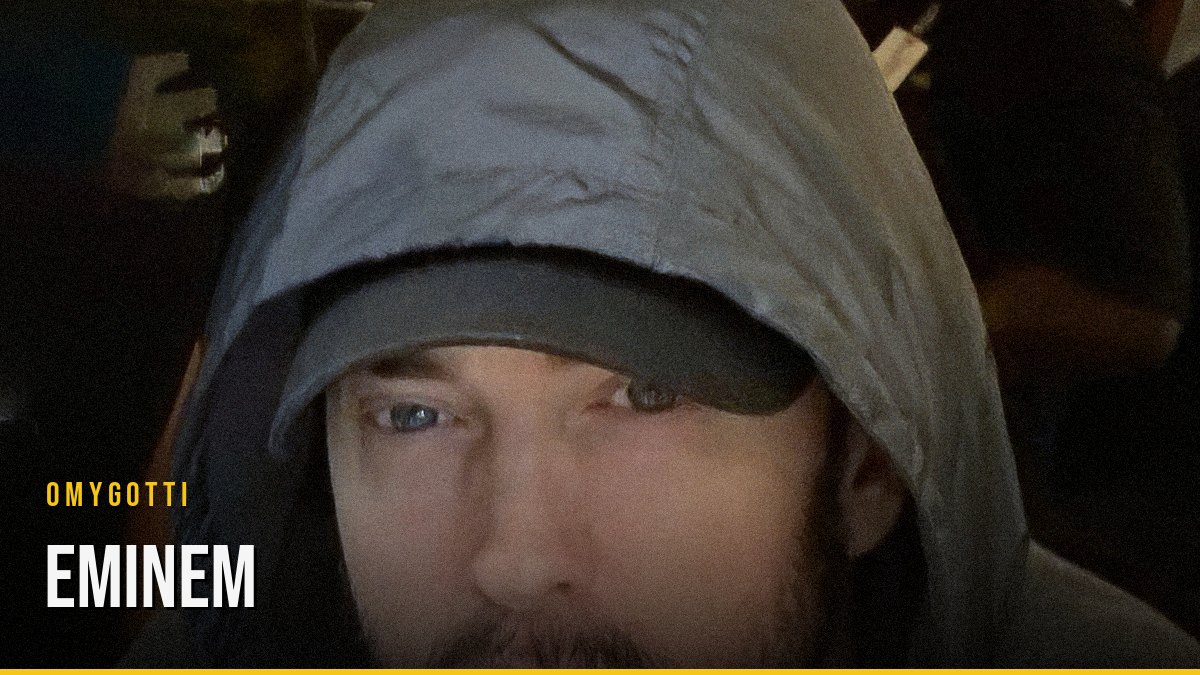
The gamble worked commercially and it set a pattern the culture keeps repeating. Legacy artists no longer treat their classic titles as museum pieces. They revisit them, argue with them and sell the argument. Whether the sequel matches the original is almost beside the point. The conversation it starts is the product, and Eminem understood that earlier than most.
Summer Walker Is Still Over It
Summer Walker released Still Over It, her second studio album, on November 5, 2021, and it topped the Billboard 200. The record carried guest appearances from Pharrell Williams, Cardi B and Omarion among others, but its pull was never the features. It was sequencing and honesty, a breakup documented in order, track by track, like evidence.
Five years on, the album holds a specific place in modern R and B. It proved a quiet, diaristic record could open at number one in the streaming era without chasing a radio single, as long as the writing was specific enough for listeners to move their own lives into it. A lot of singers have tried that formula since. Few have matched the nerve it takes to publish the diary unedited.
Keep Reading
Enjoyed this? Get the Daily Drop
More trending culture, hip hop history, and new music. Straight to your inbox.
More Where That Came From
Daily hip hop history, trending culture, and new music.
Stream My Music All Trending